

Few things can brighten a senior’s day quite like the wag of a dog’s tail or the soothing presence of a purring cat. That’s why pet therapy for seniors is gaining attention in assisted living communities across the country. More than just feel-good moments, these animal-assisted interactions offer real physical, emotional, and cognitive benefits—especially for older adults coping with isolation, chronic illness, or cognitive decline.
Pet therapy, also known as animal-assisted therapy, involves structured visits from trained animals and their handlers. These sessions can vary from casual visits to goal-oriented therapeutic programs, depending on the community and the individual’s needs.
- Emotional Support: Animals provide comfort and companionship without judgment
- Mental Engagement: Animal interactions stimulate memory and spark conversation
- Health Benefits: Physical activity and reduced stress contribute to overall wellness
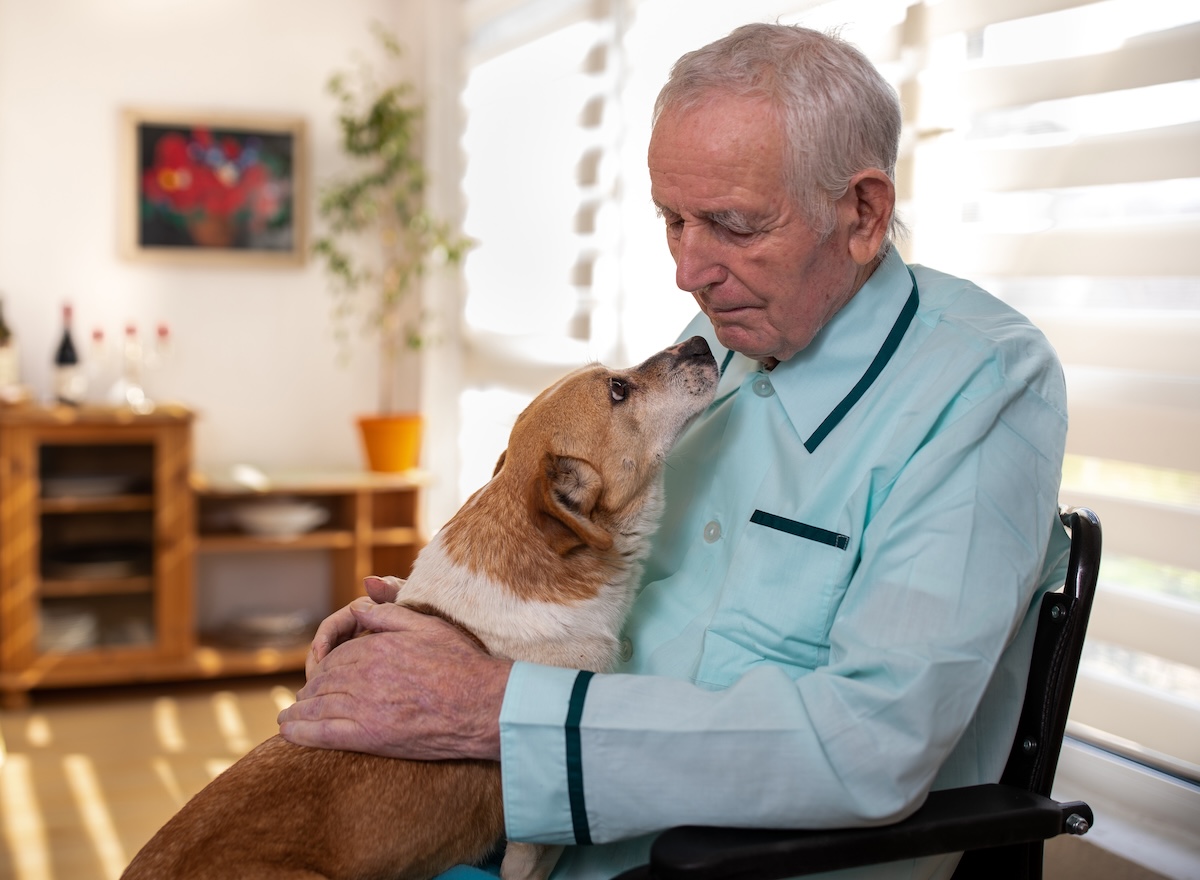
How Pet Therapy Works in Assisted Living
In many assisted living settings, pet therapy is provided through partnerships with certified animal therapy organizations. Dogs are the most common visitors, but some programs include cats, rabbits, birds, or even miniature horses. These animals are carefully selected and trained to interact calmly and gently with older adults, including those with mobility or cognitive challenges.
Sessions may occur one-on-one or in small groups, and they are supervised to ensure safety and comfort for all participants. Even brief interactions—just 15 to 30 minutes—can have a meaningful impact.
5 Key Benefits of Pet Therapy for Seniors
Animal interaction can enhance well-being in ways that traditional activities or treatments may not. Here are five key ways pet therapy supports seniors’ emotional and physical health in assisted living environments.
1. Reduces Loneliness and Isolation
One of the most common emotional challenges in older adults is a sense of isolation, especially for those who have lost a spouse, live far from family, or are adjusting to life in a new setting.
- Consistent Companionship: Animals provide a warm, steady presence
- Social Bridges: Pets often spark conversation among residents and staff
- Emotional Bonding: Interacting with animals can create a sense of connection and trust
Even seniors who are withdrawn or nonverbal may engage more when an animal is present.
2. Helps Decrease Stress and Anxiety
Spending time with animals has been shown to lower stress hormones and boost mood. For seniors coping with anxiety, confusion, or restlessness, pet therapy can offer a calming effect.
- Physical Relaxation: Petting an animal can reduce muscle tension and heart rate
- Mood Regulation: Animal interactions increase serotonin and oxytocin levels
- Safe Comfort: For those with memory loss or emotional distress, pets offer nonverbal reassurance
This calming influence can be especially helpful for those living with dementia or experiencing cognitive changes.
3. Encourages Gentle Movement
Pet therapy often involves light physical activity, which supports mobility and flexibility without strain.
- Petting and Brushing: Promotes hand movement and coordination
- Playing Games: Simple activities like tossing a ball or giving a treat
- Walking with a Pet: Offers motivation for short walks or stretching
Even minimal movement can have benefits for circulation, balance, and physical confidence.
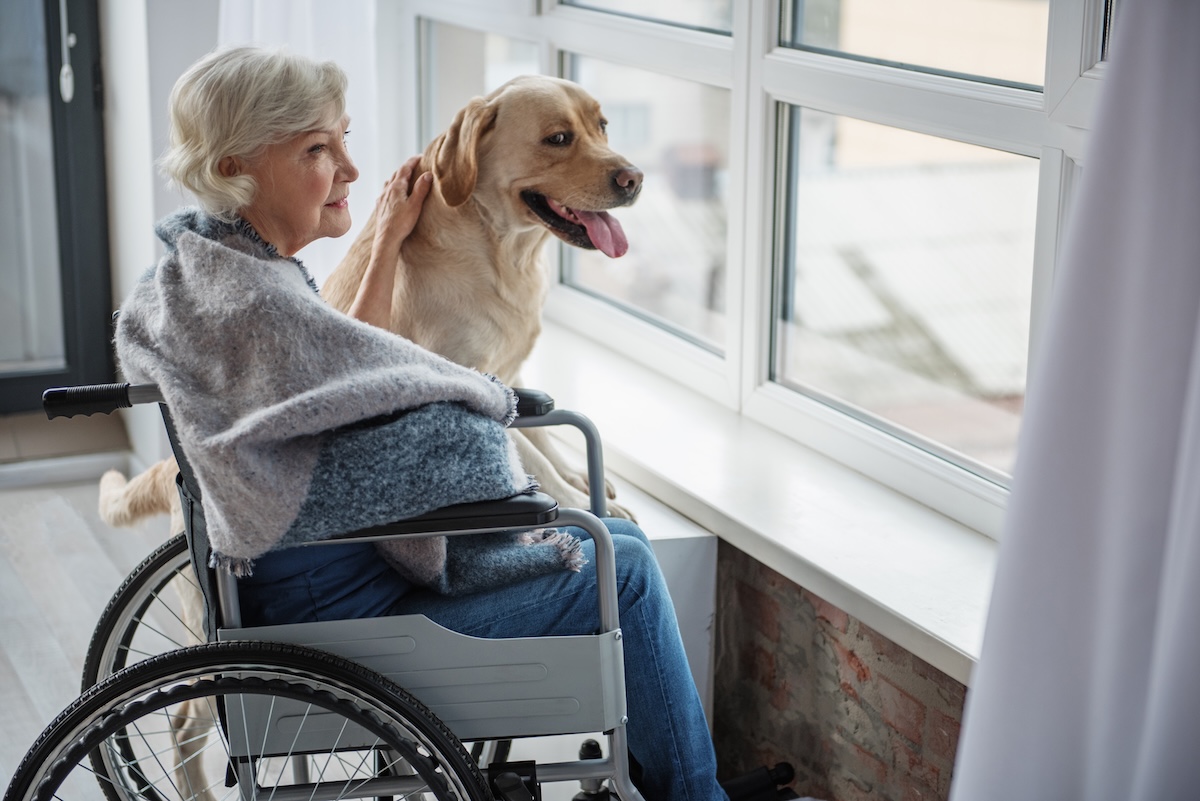
4. Stimulates Memory and Conversation
Animals have a unique way of awakening long-forgotten memories and sparking conversation. Seniors who have had pets in the past often recall stories and feelings from earlier in life.
- Reminiscence Therapy: Encourages storytelling and emotional connection
- Cognitive Engagement: Observing and interacting with animals can improve attention and mood
- Verbal Interaction: Residents may talk more during or after a visit from a therapy animal
These moments of clarity or connection can be especially valuable in memory care settings.
5. Supports Overall Emotional Wellness
Beyond specific benefits, animal-assisted interactions often bring simple joy. That sense of happiness contributes to a more positive outlook and improved quality of life.
- Uplifted Mood: Regular visits provide something to look forward to
- Sense of Purpose: Helping to care for or engage with a pet gives meaning to daily routines
- Positive Distraction: Provides a break from worry, discomfort, or boredom
These small boosts to morale can have a ripple effect on appetite, sleep, and social engagement.
Things to Keep in Mind About Pet Therapy
While pet therapy offers wide-ranging benefits, it’s important for assisted living communities to consider the following:
- Allergies and Health Concerns: Animal visits should be tailored to individual sensitivities and health conditions
- Consent and Comfort: Participation should always be voluntary; not all residents enjoy being around animals
- Animal Certification: Therapy animals should be trained and certified to ensure safety and appropriate behavior
When done properly, pet therapy is not only safe—it’s deeply rewarding for both residents and caregivers.
A Growing Trend in Holistic Senior Care
As interest in holistic approaches to aging continues to grow, pet therapy is becoming a regular part of life in many assisted living settings. Whether used to ease anxiety, encourage movement, or simply brighten someone’s day, animal-assisted therapy reflects a broader shift toward care that addresses emotional, mental, and spiritual well-being—not just physical needs.
Even for those who may not be able to care for a pet of their own, a short visit from a dog or a session watching birds can be surprisingly powerful.
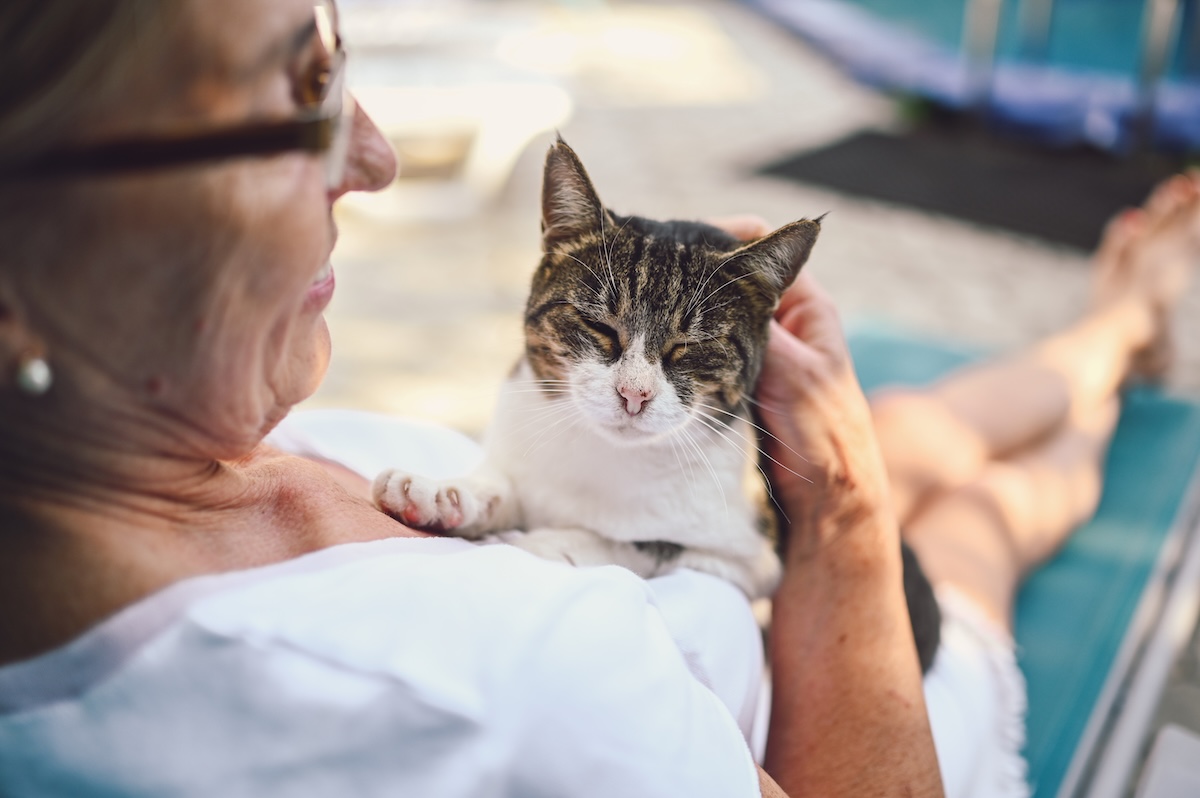
Small Moments, Big Impact
Pet therapy for seniors is more than a feel-good activity, it’s a meaningful, evidence-based approach to improving quality of life. By reducing stress, encouraging social interaction, and fostering emotional connection, animals can play a unique role in senior care environments.
While not every community offers pet therapy, those that do often see measurable improvements in resident mood, behavior, and engagement. Whether through scheduled animal visits or everyday contact with community pets, the presence of animals offers joy, comfort, and companionship in ways few other interventions can match.
If you have questions about senior living or want help exploring care options, don’t hesitate to reach out to Sunflower Communities. We’re here to support you every step of the way.