

When caring for someone with dementia, families often face difficult decisions about how to manage behavioral changes. Understanding when to consider dementia aggression medication versus therapy-based interventions is a crucial part of providing compassionate, effective care. While medication can sometimes help treat agitation or reduce aggressive outbursts, non-drug therapies often play an equally important role in promoting comfort and safety.
Aggression, restlessness, and agitation are common behavioral and psychological symptoms of Alzheimer’s disease and other forms of dementia, including vascular dementia. These symptoms can cause distress for both patients and caregivers, but with the right combination of treatment and support, they can often be managed successfully.
- Identifying the Root Cause: Aggression is usually a response to discomfort, fear, or confusion rather than intentional behavior.
- Balancing Treatment Options: Both medication and therapy have benefits and risks that should be carefully weighed.
- Individualized Care: The right approach depends on the type of dementia, severity of symptoms, and the patient’s overall health.
Understanding Dementia-Related Aggression
Aggressive behavior is one of the most challenging behavioral symptoms associated with dementia. It often results from cognitive decline that makes it difficult for individuals to express their needs or feelings. For example, someone with moderate Alzheimer’s disease may become frustrated by confusion or pain, while those with severe Alzheimer’s disease might react aggressively due to disorientation or loss of control.
Behavioral and psychological symptoms are part of nearly every form of dementia, though the frequency and intensity can vary. In vascular dementia, for instance, emotional instability or impulsivity may be more prominent, while Alzheimer’s disease might present with heightened anxiety and agitation.
Understanding the specific type and stage of dementia is essential before choosing how to respond to aggressive behavior.

When to Consider Medication
There are cases when behavioral interventions alone aren’t enough, especially if aggression puts the person or others at risk. In these situations, dementia aggression medication may be introduced under a physician’s supervision.
Medications used to treat agitation or aggression typically target underlying chemical imbalances or psychological symptoms. However, medication should always be viewed as one part of a broader care plan, not a stand-alone solution.
Antipsychotic Drugs
Antipsychotic drugs are among the most commonly prescribed options for managing dementia-related psychosis or severe aggression. These medications work by altering dopamine and serotonin levels in the brain to reduce paranoia, hallucinations, and violent behavior.
Commonly used antipsychotic medications include risperidone, olanzapine, and quetiapine. They can be effective for short-term relief but also carry potential side effects such as sedation, dizziness, or increased risk of stroke—especially in elderly patients.
Because of these risks, healthcare providers typically recommend the lowest possible dose for the shortest duration necessary. Antipsychotic drugs are not approved for long-term use in dementia patients unless absolutely necessary.
Antidepressants and Mood Stabilizers
Sometimes, aggressive behavior stems from anxiety, depression, or mood swings rather than psychosis. In these cases, antidepressants or mood-stabilizing drugs may help regulate emotions and improve cooperation.
These medications are often safer alternatives to antipsychotic drugs, though they may take longer to show results. Monitoring by a physician is essential to ensure effectiveness and prevent unwanted side effects.
When Medication Is Appropriate
Medication may be appropriate when:
- Aggressive behavior poses a safety risk to the patient or others.
- Non-drug strategies have failed to reduce severe agitation.
- Behavioral symptoms are linked to underlying psychiatric conditions like dementia related psychosis.
- The patient is experiencing intense distress that interferes with care or quality of life.
Even in these cases, medication should always be closely monitored, adjusted, or discontinued as needed.
4 Non-Drug Therapies for Dementia Aggression
For many dementia patients, therapy and environmental changes can be just as effective as medication—and often with fewer risks. Non-drug interventions focus on understanding the cause of aggression and reducing triggers.

1. Personalized Routine and Structure
Maintaining predictable daily routines helps dementia patients feel secure. A structured environment minimizes confusion and reduces episodes of frustration or aggression.
Simple habits such as consistent meal times, familiar music, or soothing bedtime rituals can help treat agitation naturally.
2. Environmental Adjustments
Overstimulation is a common trigger for aggressive behavior. Reducing background noise, adjusting lighting, and simplifying surroundings can lower stress and prevent outbursts.
Therapists often recommend calming sensory environments that use soft textures, warm lighting, and familiar scents to promote relaxation.
3. Cognitive and Behavioral Therapy
Cognitive and behavioral therapies for dementia focus on redirecting negative emotions and reinforcing positive interactions. While these approaches cannot reverse cognitive decline, they can help individuals learn coping strategies that reduce aggression and anxiety.
Therapists may also guide caregivers in responding calmly to agitation, validating emotions, and using redirection techniques.
4. Music, Art, and Reminiscence Therapy
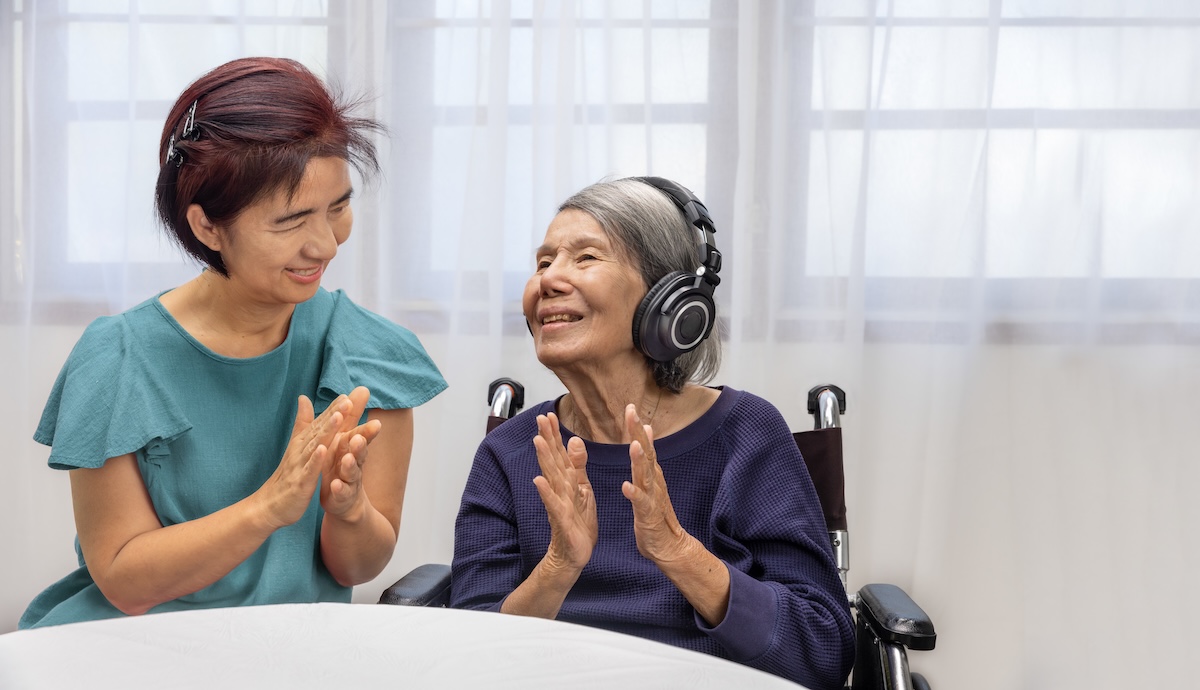
Creative therapies can have a powerful calming effect on dementia patients. Listening to familiar songs, painting, or sharing life stories helps improve mood and ease psychological symptoms.
These therapies stimulate memory and encourage self-expression without relying on medication. They can be especially beneficial for individuals with moderate Alzheimer’s disease who still retain some communication ability.
Combining Medication and Therapy
In many cases, the most effective way to manage dementia aggression is a combination of medication and therapy. This integrated approach addresses both biological and emotional factors.
For example, medication may stabilize acute behavioral symptoms while therapy helps identify long-term coping mechanisms. Over time, this balance can allow for reduced medication use while maintaining emotional stability.
Close collaboration between doctors, therapists, and caregivers ensures treatment remains personalized and flexible.
Weighing the Risks and Benefits
Every intervention—medication or therapy—comes with potential benefits and limitations. Families should discuss all available options with a healthcare professional before deciding.
Medication Benefits: Rapid relief from severe agitation or psychosis, making caregiving safer and less stressful.
Medication Risks: Sedation, cardiovascular complications, and increased fall risk, particularly with antipsychotic drugs.
Therapy Benefits: Non-invasive, long-term improvement in mood and communication, and fewer side effects.
Therapy Challenges: May take time to show results and require consistent caregiver participation.
Ultimately, choosing between medication and therapy depends on the individual’s needs, the stage of dementia, and how behavioral symptoms affect daily life.
The Role of Caregivers in Managing Aggression
Managing aggression in dementia requires patience, consistency, and compassion. Caregivers play a vital role in observing triggers, recording behavioral changes, and communicating with healthcare providers.
By combining structured routines, environmental comfort, and, when necessary, carefully monitored medication, caregivers can significantly improve their loved one’s quality of life.
Professional memory care communities can also provide additional support. Staff are trained to recognize the early signs of agitation and use proven techniques to calm residents without relying solely on medication.

Finding Balance in Care
There is no one-size-fits-all solution for managing dementia-related aggression. Some individuals respond best to therapy and environmental modifications, while others may need short-term dementia aggression medication to stabilize severe symptoms.
The key is finding a balanced approach that prioritizes safety, comfort, and dignity. With careful guidance from medical professionals and consistent support from caregivers, it is possible to treat agitation and other behavioral symptoms effectively.
At Sunflower Communities, we understand the complexity of dementia care. Our approach combines personalized therapy programs, compassionate staff training, and thoughtful medical oversight to support residents through every stage of Alzheimer’s disease, vascular dementia, and related conditions.
If your family is exploring treatment options for aggression or behavioural and psychological symptoms in dementia, reach out to Sunflower Communities today. Together, we can create a care plan that restores calm, promotes well-being, and supports your loved one with compassion and expertise.