

Caring for someone experiencing dementia aggression can be one of the most emotionally demanding parts of caregiving. When confusion, fear, or frustration result in aggressive behavior, it can leave families unsure of how to respond. Understanding what triggers these reactions—and learning techniques for managing aggression—can help create a calmer, safer environment for both caregivers and aggressive dementia patients.
Aggressive behaviors are among the most common behavioural and psychological symptoms seen in individuals with dementia. These episodes are not personal or deliberate. Rather, they are often a way for someone with limited cognitive function to communicate discomfort or distress when words no longer suffice.
- Recognizing Triggers: Identifying what leads to aggression can help prevent future episodes.
- Maintaining Calm: Responding with patience and empathy helps defuse tension quickly.
- Creating Comfort: Consistency and reassurance foster a sense of safety for dementia patients.
Understanding Dementia and Aggression
Aggression can manifest as shouting, arguing, refusing care, or even striking out. These behaviors can be confusing or frightening for caregivers, but they often stem from underlying causes such as pain, overstimulation, or fear.
As dementia progresses, damage to the brain affects emotional regulation and communication. This decline in cognitive function makes it harder for individuals to express needs verbally, so feelings of discomfort or confusion may come out as aggressive behaviour instead. Recognizing this helps caregivers respond with compassion rather than frustration.

6 Common Triggers of Aggression in Dementia
Aggressive behavior usually has an identifiable cause. By observing patterns and understanding potential triggers, families can minimize distress and promote stability.
1. Physical Pain or Discomfort
Pain from illness, arthritis, or injury is a major risk factor for aggression. When a person cannot communicate discomfort, their only response may be agitation or aggression.
- Look for Nonverbal Clues: Restlessness, grimacing, or sudden mood changes can indicate pain.
- Promote Comfort: Ensure proper clothing, room temperature, and mobility support.
- Routine Medical Care: Regular checkups can identify pain sources early.
2. Overstimulation in the Environment
Crowded spaces, bright lighting, or loud noises can easily overwhelm dementia patients. These sensory triggers can lead to aggressive behaviors or withdrawal.
- Simplify the Setting: Keep spaces tidy, quiet, and soothing.
- Adjust Lighting: Use warm, soft lighting to avoid glare.
- Minimize Distractions: Turn off unnecessary electronics or background noise.
A calm environment supports emotional stability and reduces behavioural and psychological symptoms overall.
3. Disruption of Routine
For individuals with dementia, routine provides structure and familiarity. Sudden changes—such as new caregivers, unfamiliar surroundings, or missed meals—can cause distress and aggression.
- Maintain Consistency: Keep daily schedules predictable.
- Prepare for Changes: Introduce new people or routines gradually.
- Offer Reassurance: Calm explanations can ease anxiety, even if your loved one forgets them later.
4. Communication Challenges
As language skills decline, dementia patients may struggle to express themselves or understand instructions. Miscommunication is one of the most frequent triggers for aggressive behavior.
- Speak Simply: Use short, clear sentences.
- Stay Patient: Allow extra time for responses.
- Use Nonverbal Comfort: A gentle tone, relaxed posture, and friendly eye contact can convey safety.
5. Fear or Confusion
Disorientation and fear are major causes of aggression. When someone doesn’t recognize their environment or the people around them, they may react defensively.
- Approach Slowly: Avoid startling or touching without warning.
- Use Familiar Cues: Play soft music or display personal photos to evoke comfort.
- Provide Reassurance: Calmly remind your loved one where they are and that they are safe.
6. Unmet Basic Needs
Hunger, thirst, fatigue, or needing to use the restroom can easily trigger frustration when dementia limits communication.
- Monitor Routine Needs: Offer water, snacks, and rest throughout the day.
- Encourage Naps: Tiredness can make agitation worse.
- Watch for Patterns: Outbursts at certain times may reflect unmet physical needs.
Meeting these basic needs reduces the likelihood of both aggression and psychological symptoms.
Managing Aggression When It Happens
Even with preventative care, aggressive behaviors can still occur. The caregiver’s response in those first moments is crucial for safety and de-escalation.
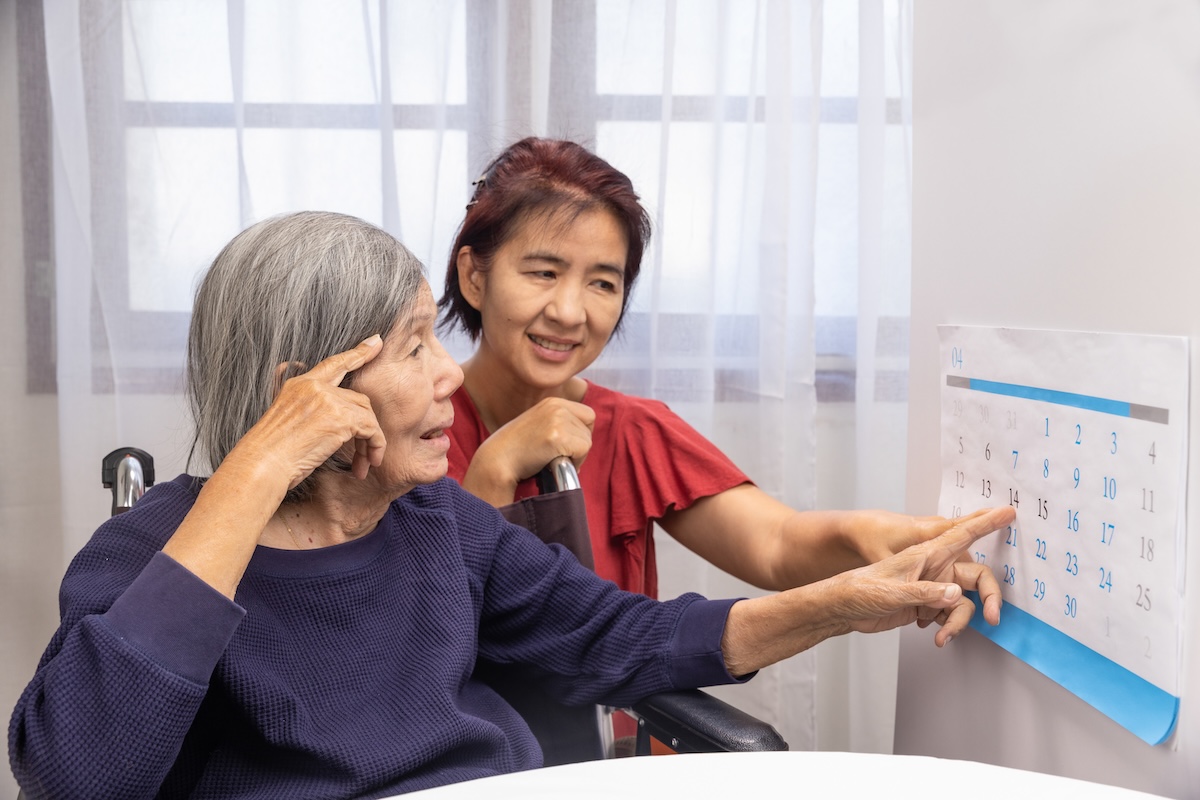
Stay Calm and Reassuring
Reacting with anger or panic can worsen aggression. Instead, model calmness and empathy.
- Lower Your Voice: Speak softly and slowly.
- Avoid Confrontation: Step back and give space if needed.
- Use Comforting Phrases: Say things like “You’re okay” or “I’m here to help.”
Redirect Attention
Distraction can be an effective tool when emotions run high.
- Offer Simple Activities: Folding laundry or listening to soothing music can redirect energy.
- Change the Setting: Moving to a quieter space can restore calm.
- Focus on Positive Stimuli: Favorite songs, familiar scents, or gentle touch can comfort.
Validate Emotions
Telling someone with dementia that they’re “wrong” or “imagining things” can intensify aggression. Instead, validation helps them feel understood.
Respond with empathy by saying, “I can see you’re upset.” Acknowledging feelings, even if based on confusion, eases frustration and helps diffuse aggressive behaviour.
Prioritize Safety
If the person becomes physically aggressive, safety should come first.
- Remove Hazards: Keep sharp objects or clutter out of reach.
- Don’t Use Force: Physical restraint often heightens fear.
- Step Away if Needed: Take a short break to regain composure before reengaging.
Once calm is restored, reflect on what may have triggered the episode to prevent it in the future.
Creating a Peaceful Environment
A well-designed environment can significantly reduce aggressive behaviors in dementia patients.
- Minimize Clutter: Clear spaces promote relaxation and reduce confusion.
- Soften Lighting: Dim lights during evening hours to signal rest.
- Use Calming Sounds: Gentle background music or nature sounds can soothe.
- Add Familiar Objects: Display meaningful keepsakes or family photos for reassurance.
Creating consistent, peaceful surroundings lowers anxiety and helps manage behavioural and psychological symptoms naturally.

When Professional Support Is Needed
Caring for dementia patients requires patience and consistency, but sometimes professional assistance becomes necessary. If aggression becomes frequent or dangerous, memory care communities can offer specialized support.
These environments are designed to handle aggressive behaviors safely. Staff are trained in managing aggression, recognizing early warning signs, and using therapeutic techniques to calm emotional distress. They also monitor medical and environmental risk factors that may contribute to behavioural changes.
Compassion First, Always
Aggression in dementia is not intentional—it’s a signal of distress. Recognizing triggers and responding with empathy allows caregivers to restore calm and preserve dignity. Understanding dementia aggression and other behavioural and psychological symptoms empowers families to care with patience and compassion.
At Sunflower Communities, we specialize in providing safe, structured environments where residents receive the individualized care they deserve. Our memory care programs focus on reducing stress, improving emotional well-being, and supporting families through every stage of the journey.
If you’re struggling with aggressive behavior or behavioural challenges in a loved one, reach out to Sunflower Communities today. Together, we can create a plan for managing aggression with understanding, care, and confidence.