

Finding ways to connect with loved ones living with dementia can make each day a little brighter. Engaging in calming activities for dementia patients not only helps reduce anxiety and agitation but also promotes comfort, familiarity, and joy. Families and caregivers often discover that simple, soothing activities, like listening to familiar music or folding soft towels, can make a world of difference in a loved one’s daily life.
These activities are beneficial both at home and in professional memory care settings, helping individuals maintain dignity while feeling safe and understood.
- Comfort: Gentle activities provide structure and reduce restlessness.
- Connection: Shared experiences strengthen emotional bonds.
- Cognition: Familiar routines stimulate memory and sensory engagement.
1. Music Therapy and Singing
Music is one of the most powerful tools for memory and mood. Listening to familiar tunes from a loved one’s past can trigger positive memories and bring comfort, even in the later stages of dementia.
In many cases, caregivers find that music therapy helps reduce agitation and encourage conversation. Singing along, humming, or tapping to the rhythm engages multiple parts of the brain and creates a joyful atmosphere.
- Create a Playlist: Choose songs from your loved one’s youth or favorite artists.
- Encourage Participation: Clap, sway, or dance gently together.
- Use Instruments: Handheld shakers or drums can be fun, safe ways to engage physically.

2. Sensory Activities
For many individuals with dementia, sensory stimulation brings comfort and familiarity. These activities engage touch, smell, sight, and sound to calm the senses and promote relaxation.
- Soft Textures: Folding towels, handling fabric swatches, or petting a soft blanket can soothe anxiety.
- Aromatherapy: Calming scents like lavender or chamomile create a relaxing atmosphere.
- Tactile Boxes: Fill containers with items such as smooth stones, buttons, or beads for gentle exploration.
In community settings, sensory stations are often used to help residents relax and reconnect with pleasant sensations that spark joy.
3. Gentle Exercise Programs and Movement
Staying physically active benefits both the mind and body. Simple, guided movements can release tension, improve circulation, and ease restlessness.
Memory care teams often integrate gentle exercises into daily routines to help residents maintain mobility while staying calm.
- Chair Yoga: Slow, seated stretches promote flexibility without strain.
- Walking Indoors or Outdoors: A short stroll provides fresh air and helps with relaxation.
- Stretching Together: Gentle arm and leg movements can be a soothing part of morning or evening routines.
These light physical activities help regulate energy levels and create a sense of accomplishment.
4. Art and Creative Activities/Expression
Creative expression allows individuals to communicate feelings that words can’t always capture. Painting, coloring, or crafting can offer a soothing outlet for self-expression while improving focus and fine motor skills.
- Watercolor Painting: Simple, fluid brushstrokes can be relaxing and mess-free.
- Coloring Books: Large-print or simple-pattern coloring books are ideal for older adults.
- Collage Projects: Cut and paste magazine pictures into themed collages to spark conversation.
Many memory care programs incorporate art therapy as part of their daily enrichment activities, helping residents express themselves in meaningful ways.

5. Reminiscence and Memory Sharing
Reminiscence activities encourage loved ones to revisit cherished memories and share personal stories. Talking about the past can promote cognitive engagement, ease stress, and strengthen emotional connections.
- Photo Albums: Looking through old family photos encourages conversation and recognition.
- Memory Boxes: Fill boxes with personal keepsakes, trinkets, or souvenirs to spark recollection.
- Storytelling: Ask open-ended questions like, “What was your favorite childhood meal?” or “Where did you go on family vacations?”
This form of memory therapy helps individuals reconnect with their identity and experience comfort through familiar narratives.
6. Calming Daily Routines
Consistency is deeply reassuring for people with dementia. Predictable routines reduce confusion and anxiety, providing a sense of control and stability.
In-home caregivers and memory care professionals often emphasize the power of a steady daily schedule. Even simple rituals—like enjoying a cup of tea in the same chair each morning—can bring comfort.
- Set Regular Meal Times: Familiar dining routines can minimize stress and improve nutrition.
- Create a Soothing Bedtime Routine: Dim lights, soft music, and gentle conversation prepare the mind for rest.
- Use Familiar Cues: Keep daily activities in a consistent order to promote a sense of safety.
When loved ones know what to expect, they’re more likely to feel calm and secure throughout the day.
Why Calming Activities Are Essential
Calming activities are not just about passing time, they’re a cornerstone of compassionate dementia care. Regular engagement helps maintain emotional balance, reduce behavioral challenges, and create moments of peace for both caregivers and patients.
Incorporating these activities into daily routines encourages connection and improves overall well-being. Whether at home or in a memory care community, even small gestures, like gentle conversation or shared laughter, can foster comfort and familiarity.
Adapting Activities as Dementia Progresses
As dementia advances, your loved one’s abilities and preferences may change. The key is to stay flexible and focus on what feels enjoyable and achievable.
- Simplify Tasks: Reduce steps to prevent frustration.
- Observe Reactions: If an activity seems overwhelming, try again later or choose something different.
- Prioritize Comfort: Focus on creating calm rather than completing the task perfectly.
Caregivers often find that tailoring activities to their loved one’s current stage of dementia helps preserve dignity and enjoyment.
How Memory Care Communities Support Engagement
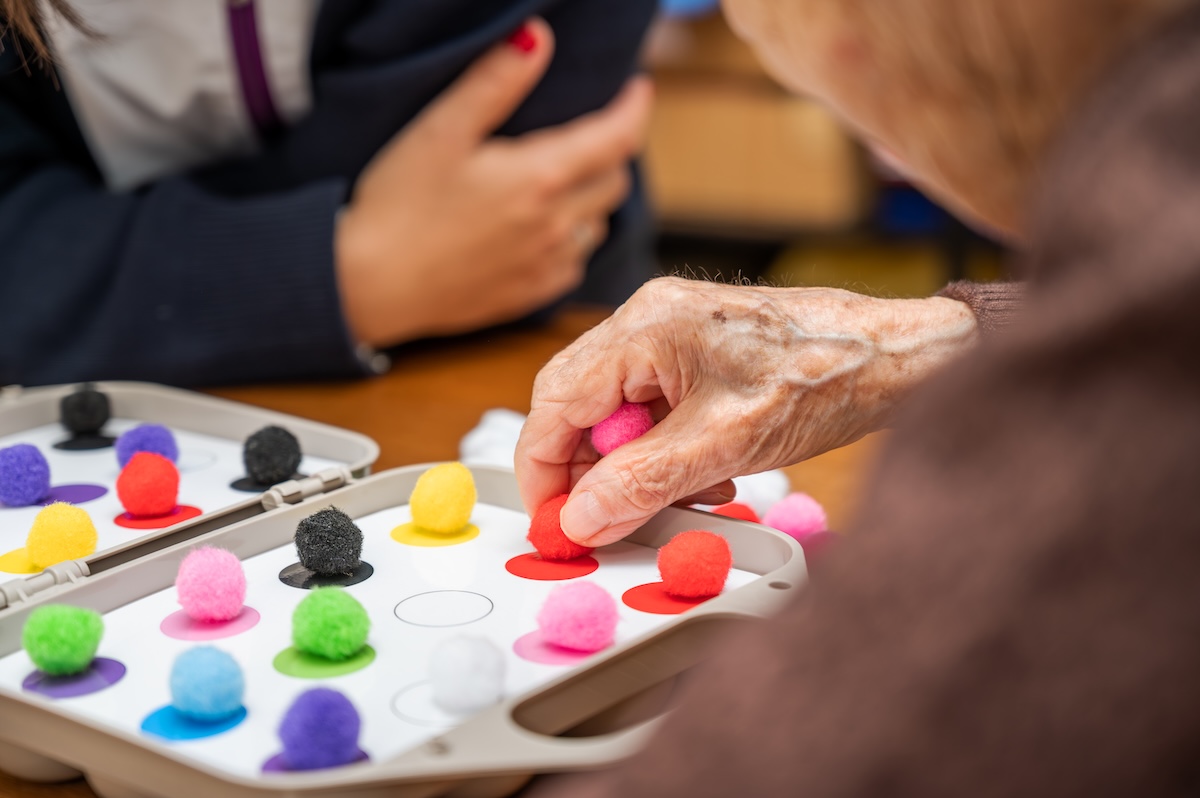
Professional memory care communities provide structured activity programs designed to meet residents where they are, emotionally, mentally, and physically. These programs combine clinical expertise with warmth and compassion.
- Therapeutic Recreation: Daily schedules include art, music, and light exercise sessions.
- Social Interaction: Group activities build friendships and reduce isolation.
- Personalized Care Plans: Each resident’s preferences are incorporated into their daily routine.
Communities like Sunflower Communities prioritize individualized engagement, ensuring every resident feels valued and understood.
Creating Moments of Calm and Connection
At every stage of dementia, moments of calm and connection matter most. By incorporating calming activities for dementia patients into daily routines, whether through music, art, movement, or shared stories, families can bring comfort and peace to their loved ones’ lives.
At Sunflower Communities, our compassionate care teams understand the power of meaningful engagement. We provide personalized programs that nurture mind, body, and spirit for residents.
If your family is caring for a loved one with dementia, reach out to Sunflower Communities to learn how we can help create moments of joy, peace, and connection every day.